Sappho Books, Cafe & Bar: Proposed Webpage

https://sapphobookshistory.wordpress.com/2026/11/25/hello-world/

I have created a mockup webpage (link above!) detailing the history of Sappho Books, Cafe and Bar, with the aim that the Sappho staff can integrate my content and images used in this mockup onto their website with a new ‘history’ page. Sappho has always been a very special space to me due to how the space facilitates creativity and a love for the arts, so a large part of my project was emphasising the importance of such a space that can foster the spirit of the arts, and why they need to exist. What helped inform my research question was the concept of the ‘third place’- an informal gathering space for writers, musicians, and other patrons which facilitate social interaction and a sense of community beyond the home and workplace. This helped shift my research into a broader argument about the social significance of community spaces. Alongside this, exploration of urban landscapes and the collective memory held in the space’s history informed my foregrounding of the history of 51 Glebe Point Road. It was important, especially as my research explored the deterioration of similar businesses and the destruction of community space, that I conveyed the idea of endurance and persistence in community through memory of space. This project is aimed towards people who frequent Sappho, enriching the depth behind this space for visitors. Ultimately, this project aims to act as ‘proof’ that these spaces are beautiful, important, and need to exist.
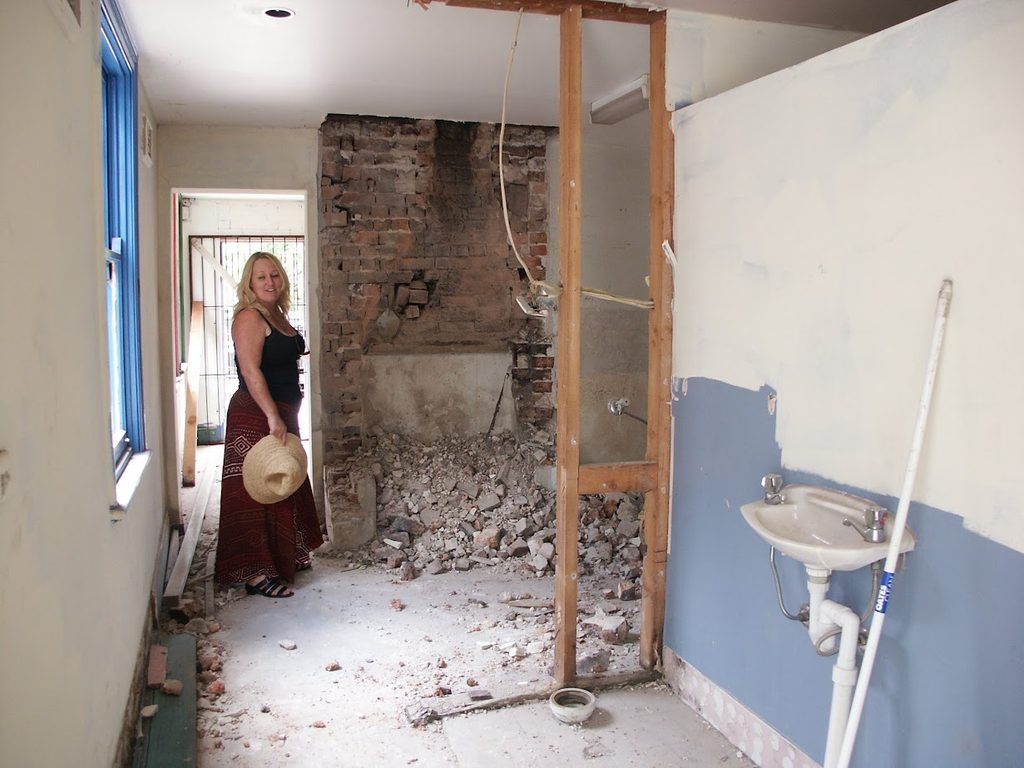
Renovation of the old Youth Centre where Sappho now stands.

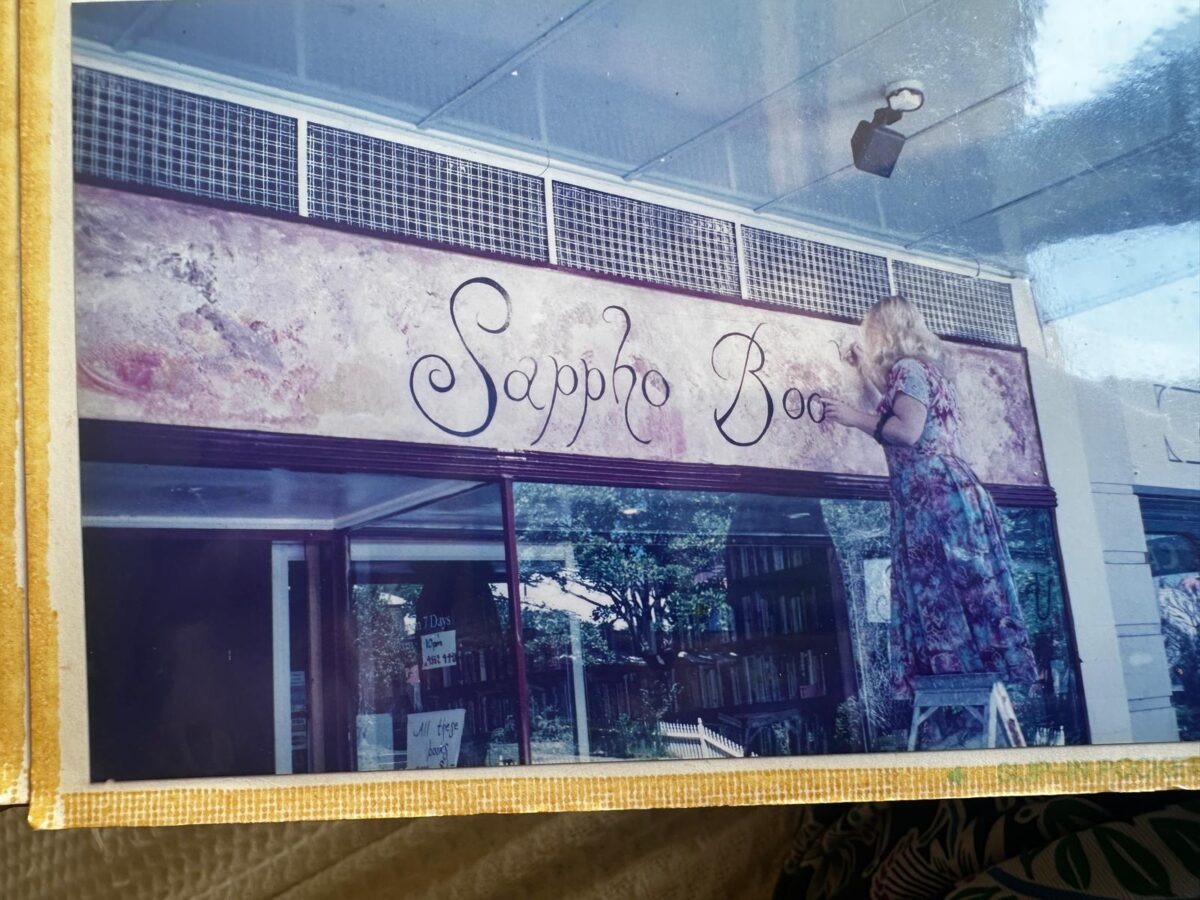
I had a humble repository of photographs that helped visualise portions of my major project, such as images of the renovation, done primarily by hand. A large portion of my sources were gathered from the Glebe Society, which had a massive digitised archive of bulletins to sift through, which aided tremendously when looking for the history of 51 Glebe Point Road, the Youth Service, as well as building contextual evidence for Glebe. Martha Sear’s discussion of community history-making in A Thousand Different Hands: History in Communities was helpful here in informing my approach to gathering evidence beyond traditional archives. By incorporating photographs from staff, personal recollections from the founder, Meredith Baillie, and material by the Glebe Society, I demonstrate in my project a community’s contribution in preserving and communicating its own history.
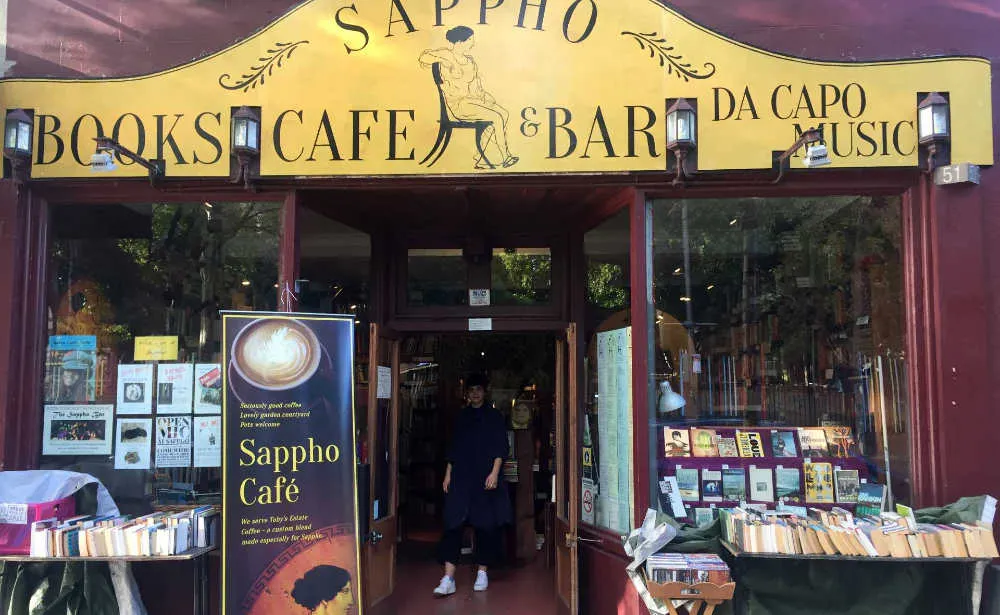
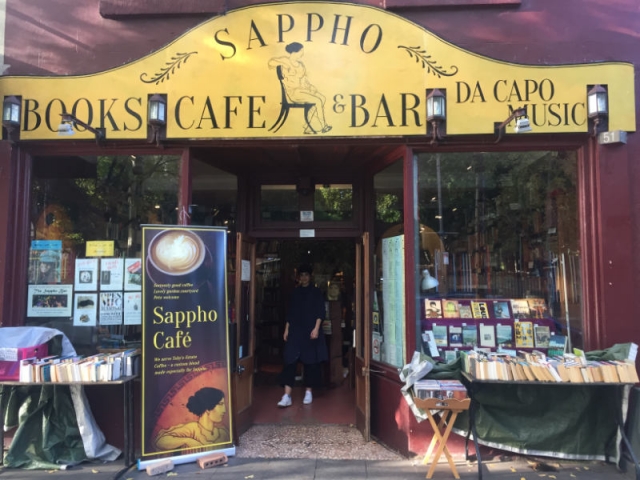
Sappho Bookshop, Cafe & Bar: A wonderful place

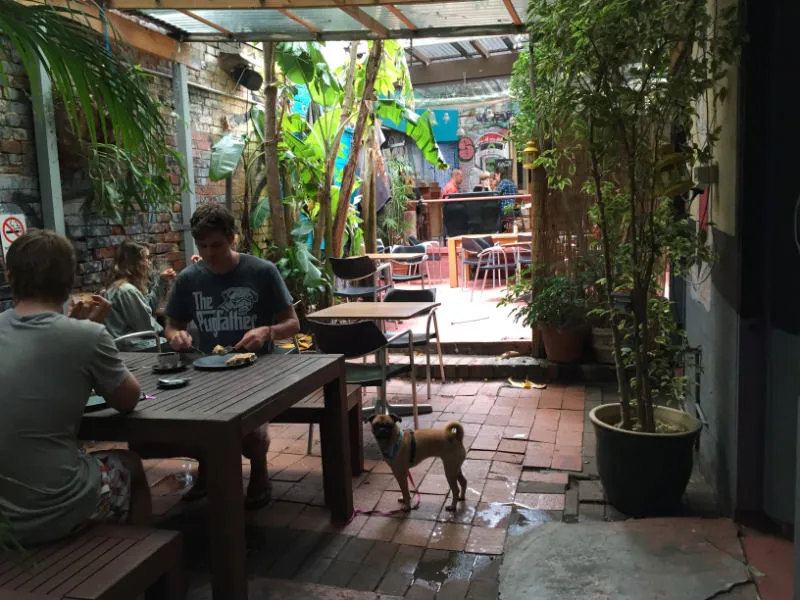
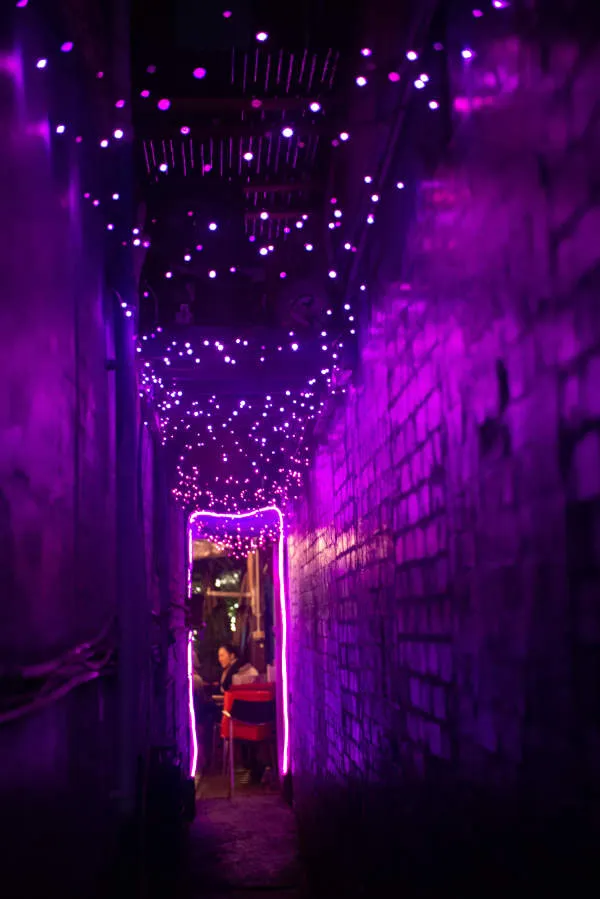
Tucked through a long, dimly lit alleyway is the courtyard of Sappho books, cafe & bar, a place surrounded by brick walls covered in graffiti and greenery, a warm, intimate air, and tables filled with people chattering and laughing. Sappho is a multi-functional community space located in Glebe that functions as a second-hand bookstore and cafe/bar, with a courtyard area that acts as a place for social gatherings, frequently hosting events such as live music and their monthly poetry nights. Initially opened in 1996 by Meredith Baillie on a different location on the same road, Sappho acquired the abandoned Glebe Youth Centre in 2004 and transformed it into where the current Sappho is located. Additionally in 2006, Da Capo music, founded by Patricia Baillie, moved in with Sappho as well. In the courtyard, the graffiti has been preserved on the walls… And that’s about all I know currently!

From:https://www.sapphobooks.com.au

Sappho is an organisation I am very interested in working with due to their welcoming and intimate vibe. I frequently come in for the monthly poetry nights, where featured poets read aloud their work, as well as having open mic segments for anyone who wants to read their poetry. I think the strongest aspect of Sappho is the arts-focused space that they have crafted, which is most apparent within these nights. When someone is reading their poetry, you can tell everyone is listening with intent and focus. There is an unspoken understanding here, an air of respect and appreciation towards the arts. There is genuine joy as people are sharing their poetry, and I have heard some breathtaking, devastating, and beautiful things in that courtyard. Having read some of my own poetry on these nights, this experience truly cannot be matched anywhere else, and it would be an honour to discover more of their history and document it for the public. It is truly a wonderful space.

From:https://www.sapphobooks.com.au

Currently, I am in discussion with Sappho to develop an ‘about us’ webpage that details what Sappho does and how it functions within the community, as well as outlining the history of Sappho and the youth hostel it is built on. That’s all I have concretely right now, but I am also thinking of talking about the founder, Meredith Baillie and her sister, who founded Da Capo music, Patricia Baillie. To be honest, I have some slight concerns currently in how much information I can work with/will get, as I haven’t had too much communication with Sappho yet and there isn’t much information on the history of Sappho online. (Which is actually probably a good thing, as it means my public history work is actually needed! I just hope I can do it earnestly and well.)