https://sapphobookshistory.wordpress.com/2026/11/25/hello-world/
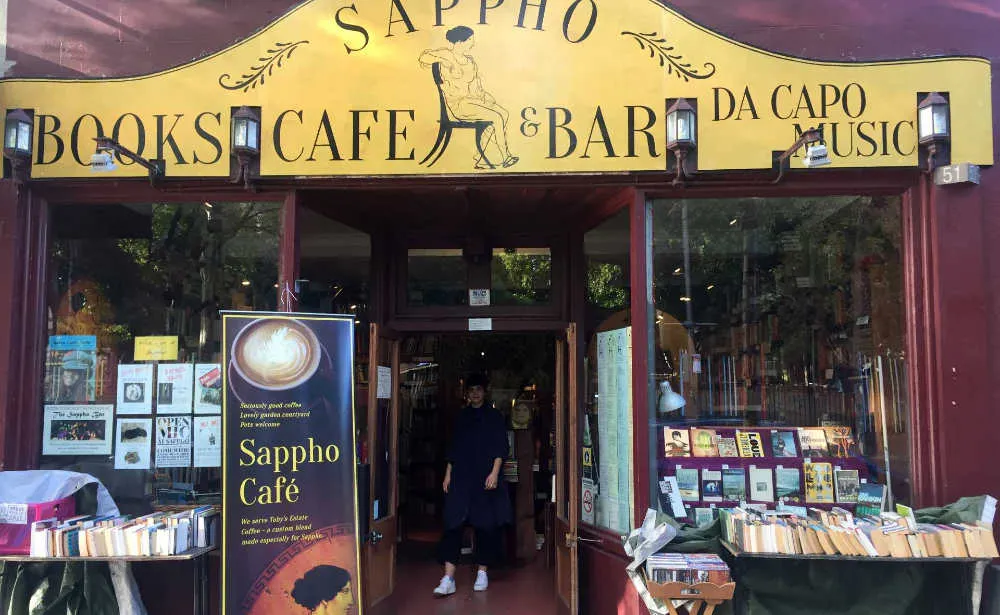
I have created a mockup webpage (link above!) detailing the history of Sappho Books, Cafe and Bar, with the aim that the Sappho staff can integrate my content and images used in this mockup onto their website with a new ‘history’ page. Sappho has always been a very special space to me due to how the space facilitates creativity and a love for the arts, so a large part of my project was emphasising the importance of such a space that can foster the spirit of the arts, and why they need to exist. What helped inform my research question was the concept of the ‘third place’- an informal gathering space for writers, musicians, and other patrons which facilitate social interaction and a sense of community beyond the home and workplace. This helped shift my research into a broader argument about the social significance of community spaces. Alongside this, exploration of urban landscapes and the collective memory held in the space’s history informed my foregrounding of the history of 51 Glebe Point Road. It was important, especially as my research explored the deterioration of similar businesses and the destruction of community space, that I conveyed the idea of endurance and persistence in community through memory of space. This project is aimed towards people who frequent Sappho, enriching the depth behind this space for visitors. Ultimately, this project aims to act as ‘proof’ that these spaces are beautiful, important, and need to exist.
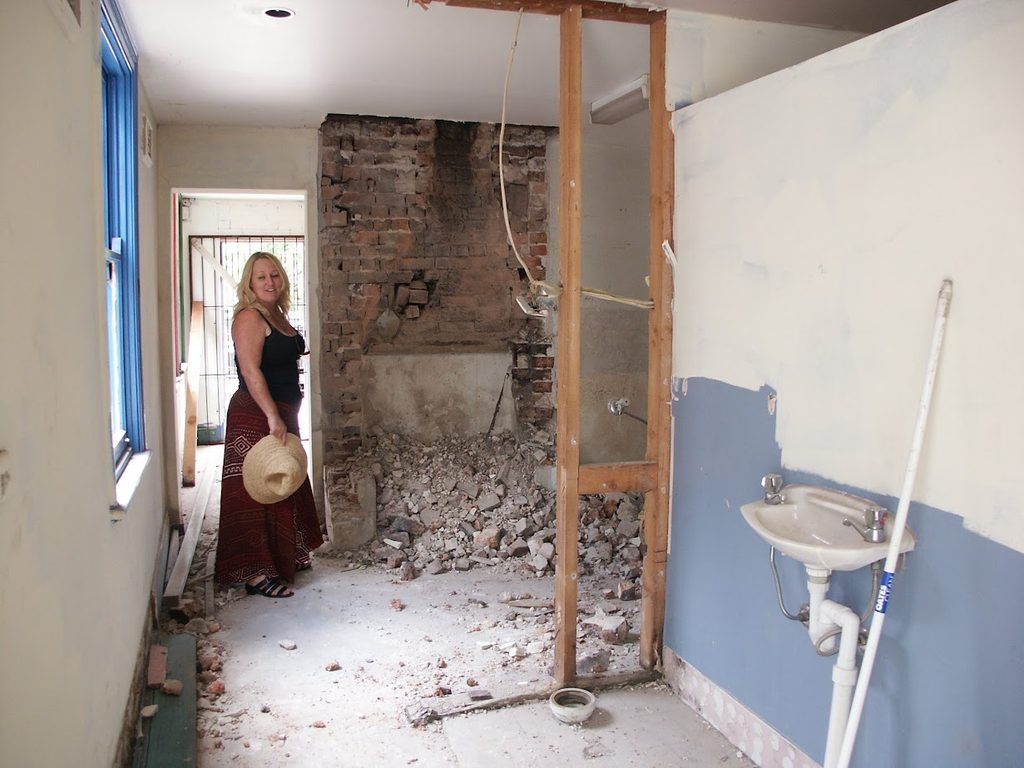
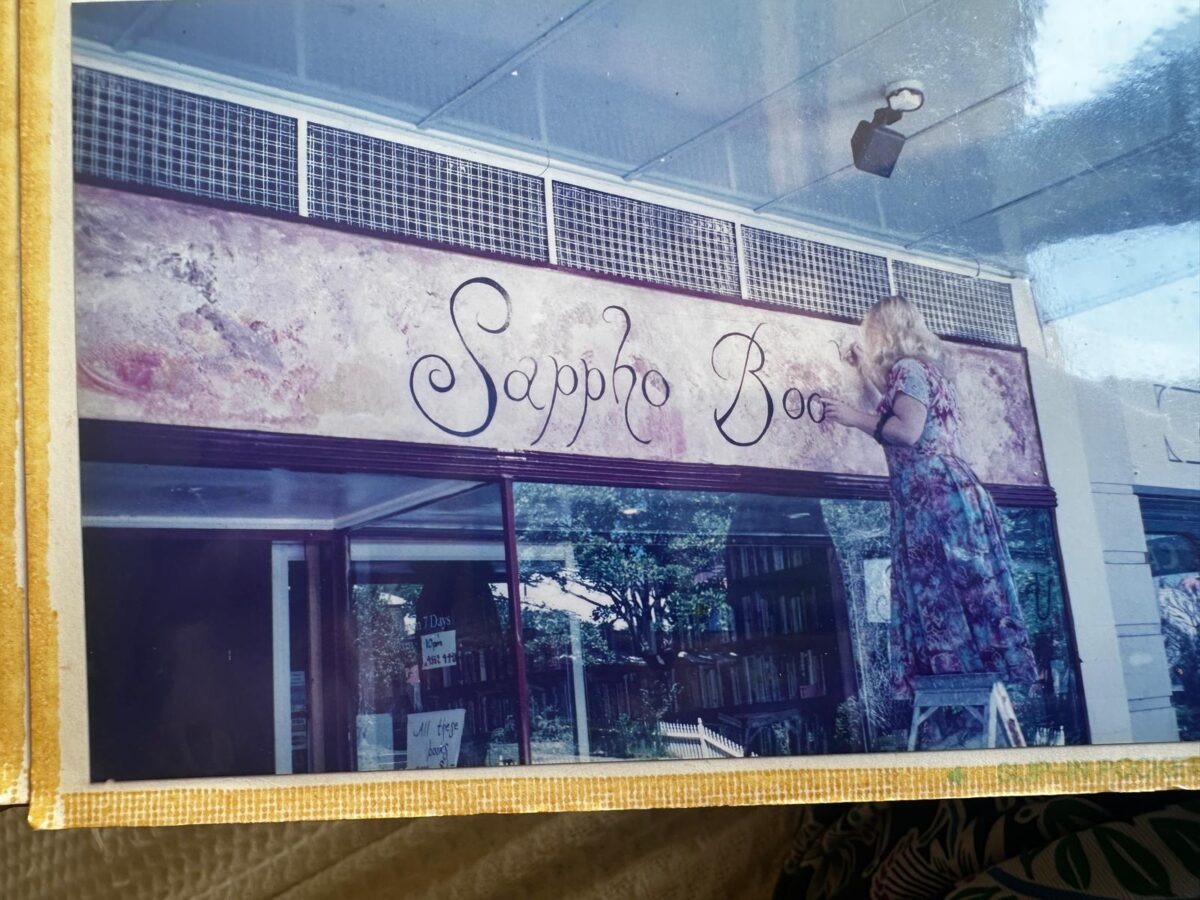
I had a humble repository of photographs that helped visualise portions of my major project, such as images of the renovation, done primarily by hand. A large portion of my sources were gathered from the Glebe Society, which had a massive digitised archive of bulletins to sift through, which aided tremendously when looking for the history of 51 Glebe Point Road, the Youth Service, as well as building contextual evidence for Glebe. Martha Sear’s discussion of community history-making in A Thousand Different Hands: History in Communities was helpful here in informing my approach to gathering evidence beyond traditional archives. By incorporating photographs from staff, personal recollections from the founder, Meredith Baillie, and material by the Glebe Society, I demonstrate in my project a community’s contribution in preserving and communicating its own history.