
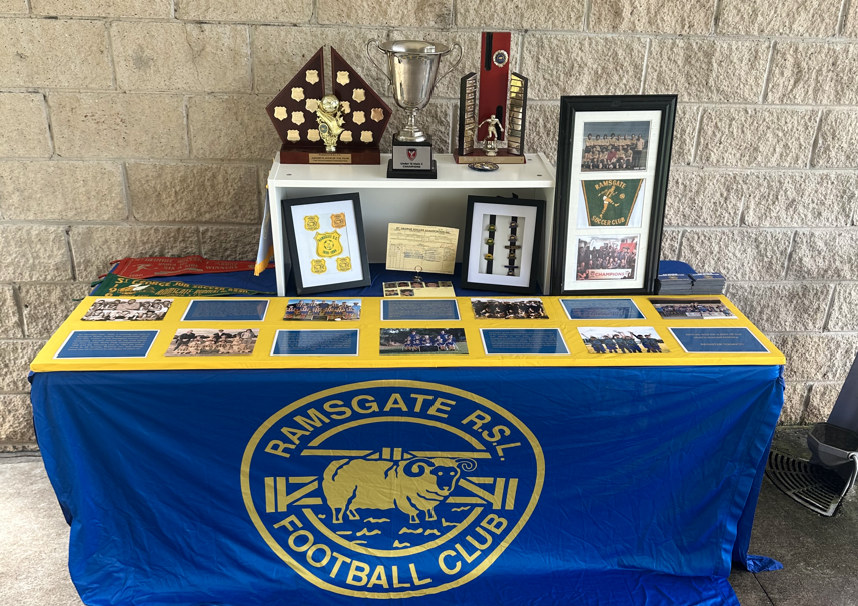
Originality – There is nothing per say innovative about the production of history, in terms of it being a physical display of history, but this is a one-of-a-kind display specific to the organisation and of the football club.
Argument – The argument that my project is addressing is to why the general public should be joining this football club compared to other ones. It is overt in this message with the last text card saying join us on it and this display will be going up over the registration period for people to see.
Evidence – One of the only real inputs from the organisation that they wanted me to include in the text cards was their wins of the Club Championship and on their webpage they have a list of them but when looking through some of the documents which included the amount of teams they had in each year I had found another year in which it was recorded where they won the club championship. That document, with the teams, was also crucial in my timeline as when there were high and low moments in numbers that, after research, I could contribute to wider football stories and then draw it back to the club specifically. Some evidence I use such as the Soccer Australia anecdote in 1996 can be easily researched1 along with the Greek influence using Australia migration patterns and census data.2 They don’t need to be explicitly said in the display, and the point isn’t to prove that this is true but there is enough spoken about that if someone was interested, the information is easy to find.
Themes – The main theme that drives through this display is community. There are many photos littered in the timeline that include kids and adults, men and women, from each decade of the club really demonstrating the diversity that we hold as a club and how this is a club for all. For example, the first Indigenous round held by the St George Football Association was in partnership with Ramsgate RSL club, something in which the club is proud about and is why I including one of the photos in the display. Immersing this display and project as a whole in community and how important this organisation is to the surrounding area is crucial to the argument being made and purpose of this display and without it there is no display and it’s just a table with some trophies on it.
Need – The benefit will not only be the club as they will get more people entering the organisation, but the audience and community as a whole will benefit from this display as they can then be part of the community through this club. This display could be the deciding factor in one’s decision whether to choose this team or another or to choose to play or not. For example, a father might be new to the area and want to put his kids into a local team but doesn’t know which, he goes to dinner and sees this display and it pushes him over the edge and decides after seeing the history of the team, it’s current successes and reputation of the club that he wants his kids to be part of this club.
Significance – What this project did was bridge the gap in parts of the history of the club. Attempts had been made by people, and they had information at the start in the middle and obviously its current state but not a lot in between. After looking at the numbers and the accolades, I was able to research and build the story of the club along with listening to some anecdotes from people who were there long before me. The hope is in the short term it will boost numbers for the upcoming season and hopefully this is a display that as of now a pop-up display have a permanent home.
Creativity – The timeline and history are only half the project, the other is the creative part of the actual display. This history could have been an update to the website but by having a physical display it immerses you in, it can have a tangible real effect that people can see these trophies and see these photos that will invoke a sense of belonging and a crave for community. The board that the timeline is on I cut up a lump of wood in my garage to use and wrapped in fabric which with the friction keeps the photos and text cards in place. From the start I wanted the colour layout to embrace the colours of the club which was easy to do; yellow text on blue clubs on a yellow board on a blue club table dressing. Other items on the table are flags from the late 50s early 60s, pins from throughout the clubs history, club badges from the 80s, player cards from the 90s and the trophies at the top include one from the late 80s early 90s and two current ones that the club won in the past year, the AAG trophy and the 2026 Fair Play Award.
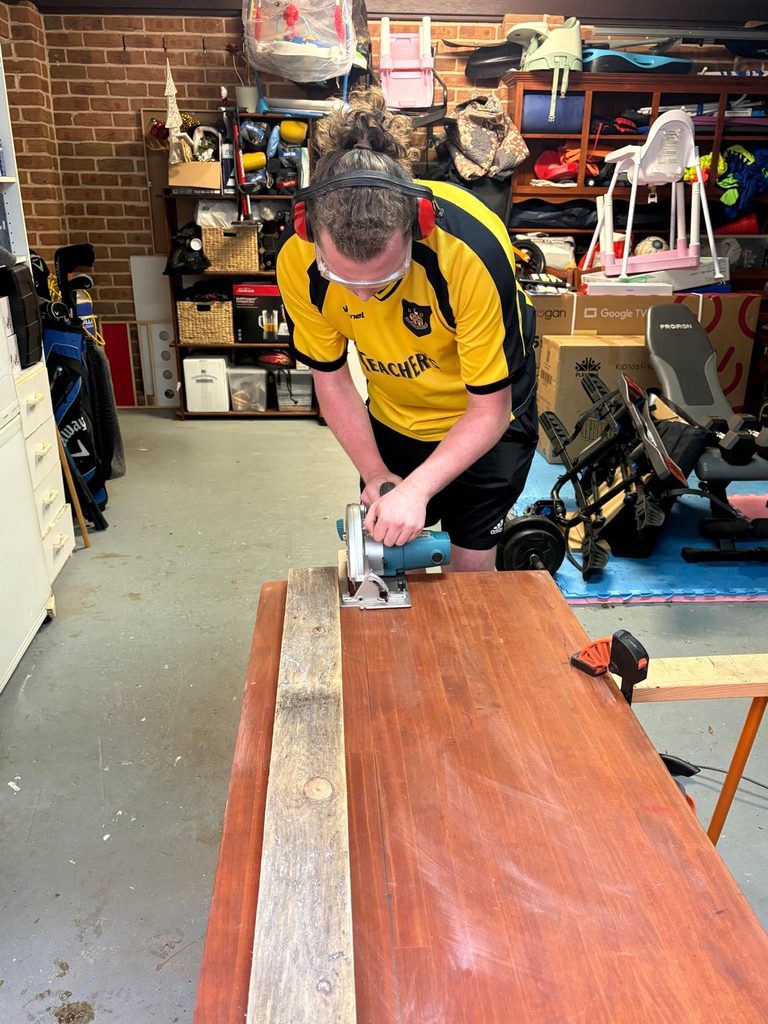
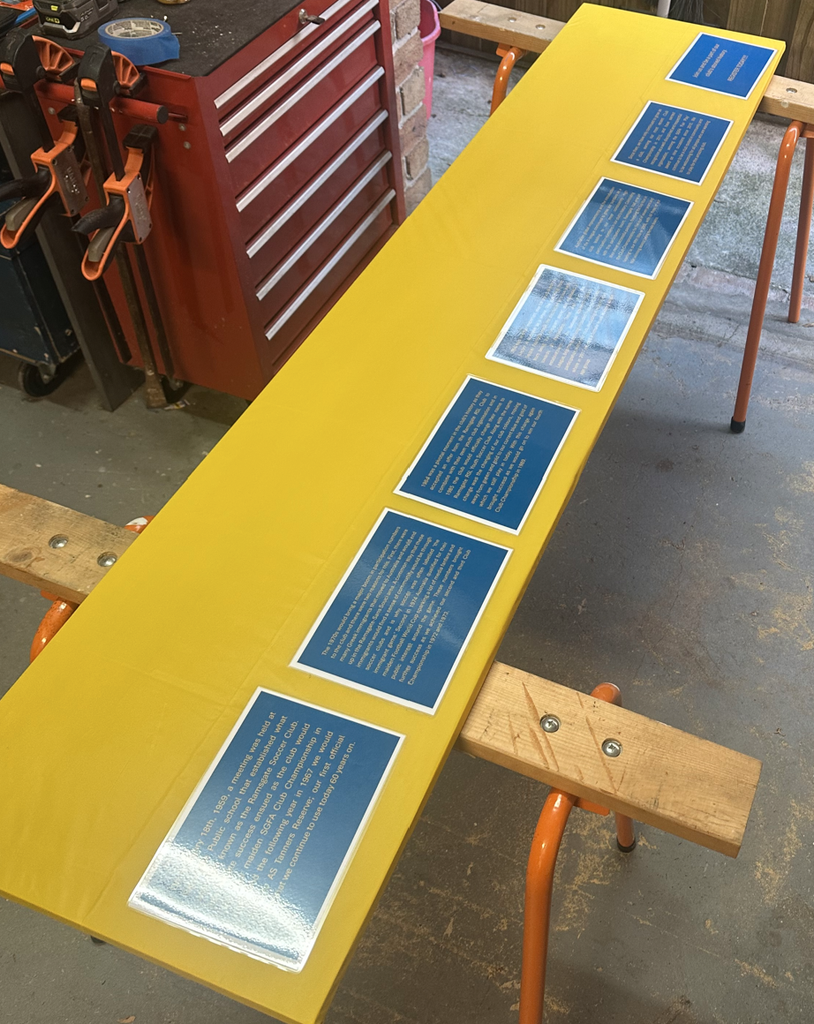
Presentation – In terms of presentation, the display speaks for itself. Negotiations are ongoing with the RSL to have this on display, but they do look promising. After the registration period is done in January, throughout the year the idea is that the display will be out for the club members to see at the home ground. The display was made with this in mind as one of the suggestions made by the club was to ensure that the display was portable so it could be moved around easy for the future.
Accessibility – The display will hopefully be right at the front door of the RSL and through word of mouth more people will see it and talk about it. Nothing confirmed yet but this text might also replace the current history of the club or it will maybe combine with it so that when the display does go down, this information will still live on the website and photos of the display will remain.
Sustainability – This display was made to outlast this unit. The items on display can constantly change and hopefully this time next year when we give back the trophies we’ve won, there’ll be more in to take its place. This display will be a foundation for future displays and as the club creates more history and future players and/or committee members can look back at this display and the items made for the display and they can use or adapt them for their own display as we continue to write history as an organisation.