
The Sydney Tramway Museum was founded in 1950 and situated within Loftus in the Sutherland Shire. Since its inception, the museum has been growing its collection and site, with the current museum opening in 1982 after moving from site within the nearby National Park. Holding a sizeable collection of Sydney trams, augmented by selections from Melbourne, Adelaide, Brisbane and abroad, the museum seeks to restore and operate historic trams for visitors to view or travel on. Having a long-standing interest in everything relating to vintage vehicles, the Sydney tramway museum was an easy choice for my partner organization.
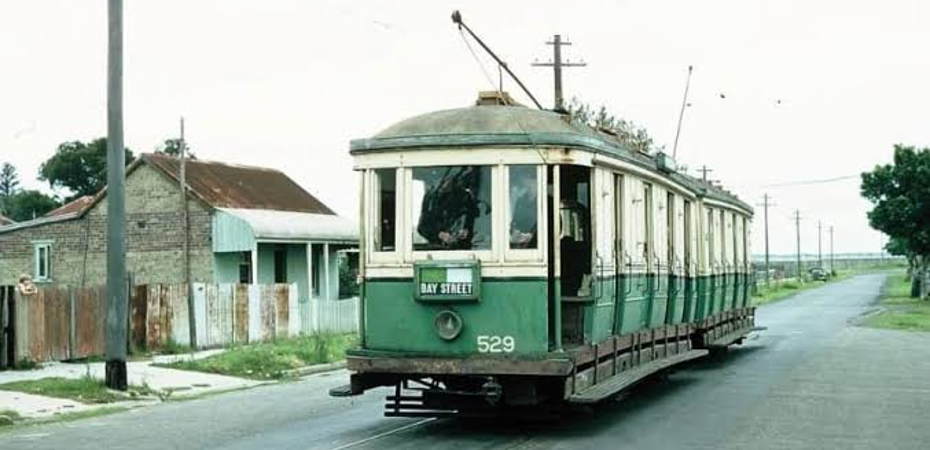
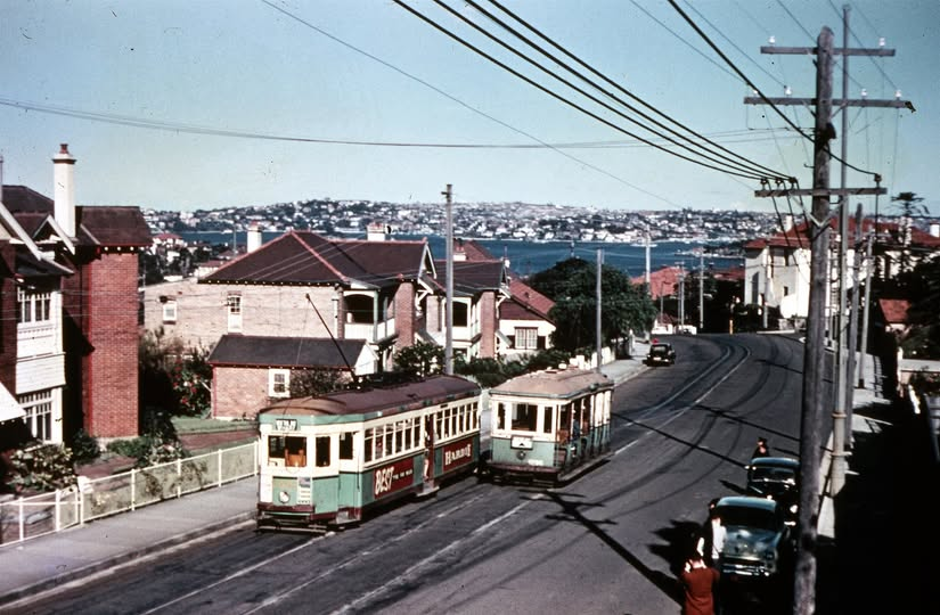
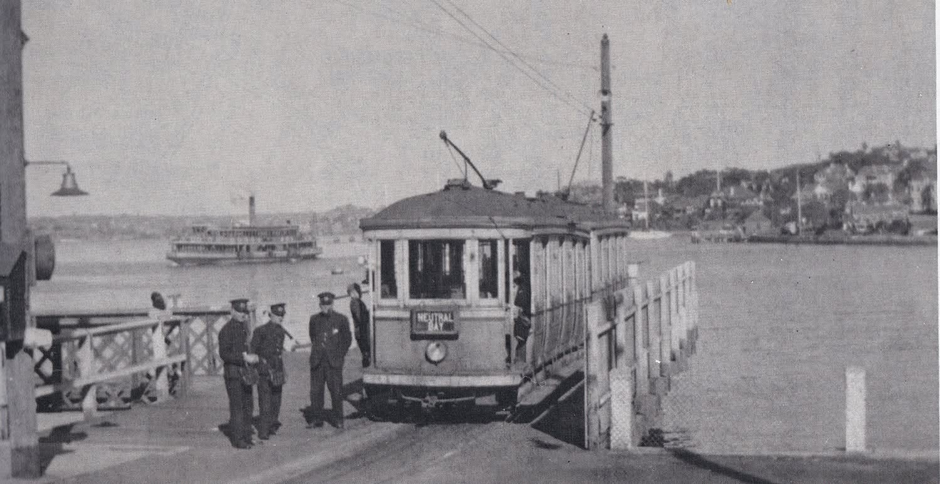
Being the only museum dedicated to the trams of the original Sydney system, the museum exhibits many trams which are one of only a few survivors, or in many cases the final example in existence. The Sydney tramway network was the largest in the southern hemisphere during the interwar years, and yet by February 1961 it had all been removed. Busses and private cars were the successors to the electric trams on Sydney’s roads, with trams hastily withdrawn from service and many thousands burned at Randwick depot. A small collection of trams was initially acquired by the Museum and stored at their site in the Royal national park, with a short stretch of track built for visitors to ride on the operational exhibits. The collection would expand dramatically with many derelict trams resurrected from farmyards or even homes before complete restorations were undertaken. The amount of knowledge and know-how of the members is astounding, with historical practices kept truly alive for both the visitors and behind the scenes.
My work at the tramway museum revolves around a 1902 Sydney E-class tram number 529/530. Built from 1901-1903 at Granville, the Sydney E-class tram is essentially two short 4-wheel trams that are permanently coupled together and thus operate in practice as one singular unit. This makes the E-class highly unique, not only in the fact that 529/530 is the final remaining example, but also internationally few other such designs exist. The vast majority of Sydney’s older single-bogie trams were withdrawn before 1940 as newer bogie trams, and road traffic, took over. Having been stored for several decades, a small team of volunteers have been working to cosmetically rejuvenate the tram for public display for several months. I have joined this team of volunteers and work has been progressing on both the interior and exterior of the tram. Much of this hands-on work has been incredibly rewarding and a great learning experience, I doubt many have applied Shellac to a historic bench made from Tasmanian red cedar in the last 80 years! Restoring 529/530 will complete the collection of fixed bogie trams on display, joining its fellow C, D, K and J class as incredible, and highly improbable, survivors of the Sydney system.
Beyond my relatively short time volunteering for the Sydney Tramway museum, I have already become a member of the museum and intend to continue working on many of the other trams in the collection. In addition to this, progress is underway for my own training to conduct and drive the museum’s various operational trams for the public.