
Behind Warrawong High School, on a steep hillside south of Wollongong, Dharawal Country, eleven acres that were once lantana and dumped rubbish now grow vegetables, herbs, honey and eggs. This is Green Connect Farm, and the people who work it are the reason I chose it for my public history project.
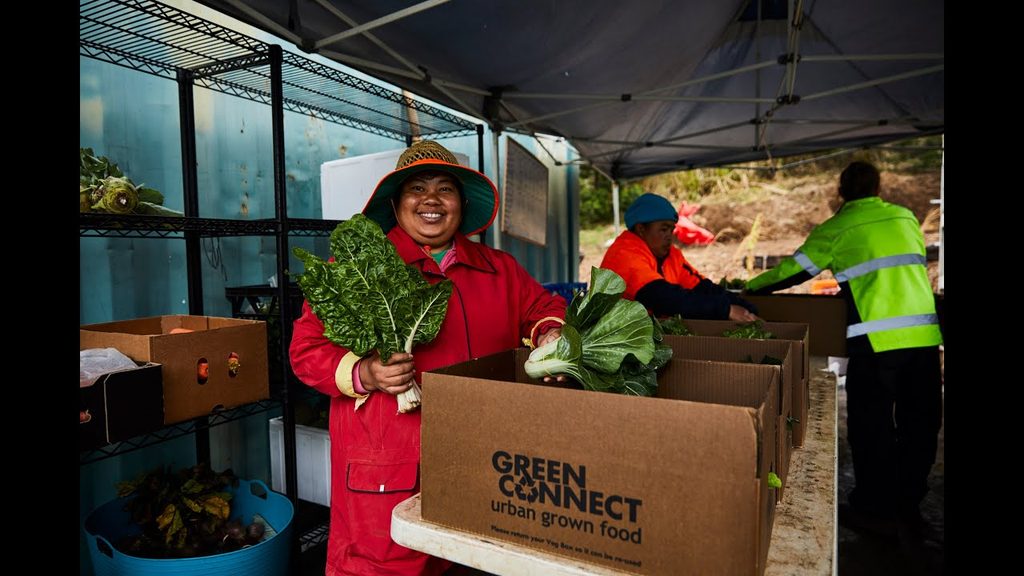
Green Connect began in 2011 as a small social enterprise, established through SCARF to create paid work for former refugees in waste recovery. It has since added labour hire and grown into an employer of more than 100 refugees and young people. It has also opened its doors to young Australians facing barriers such as insecure housing, mental illness or unsafe homes. In 2021 it was the only Australian recipient of a Commonwealth Secretary-General’s Innovation for Sustainable Development Award, and it describes its permaculture farm as one of the largest urban farms of its kind in the world. Today the farm supplies weekly vegetable boxes to more than 160 Illawarra households and opens its gates for tours and workshops.
What sets Green Connect apart is its model. Many refugees arrive with real farming expertise, often as subsistence farmers, yet face a wall of barriers such as a new language, unfamiliar transport, and frequently no paid work history at all after years in camps. Reports suggest only about 31 per cent of humanitarian visa holders have jobs after five years. Green Connect starts from what people already know and treats the relationship as an exchange, because Australians have much to learn about chemical-free growing. It even trains people so they can leave: staff are supported into jobs with other employers, and that counts as success.
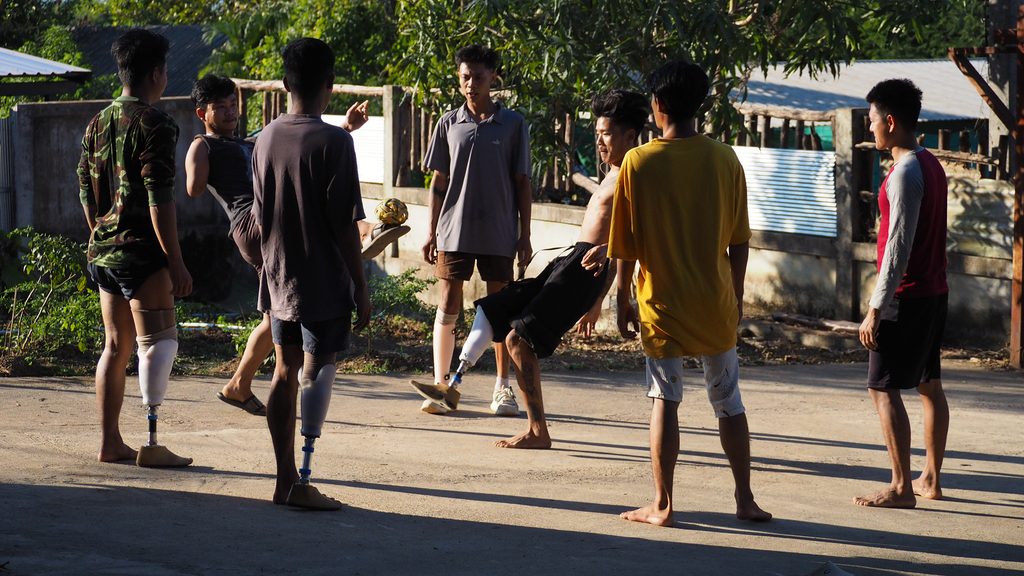
The Illawarra is home to one of Australia’s largest Karenni communities, many of whom fled decades of conflict in Myanmar. That conflict deepened into nationwide civil war after the military seized power in February 2021, displacing millions. Many cross the Moei River into Thailand and into camps like Mae La, the largest of nine along the border. Yet this “forgotten war” rarely makes headlines here.
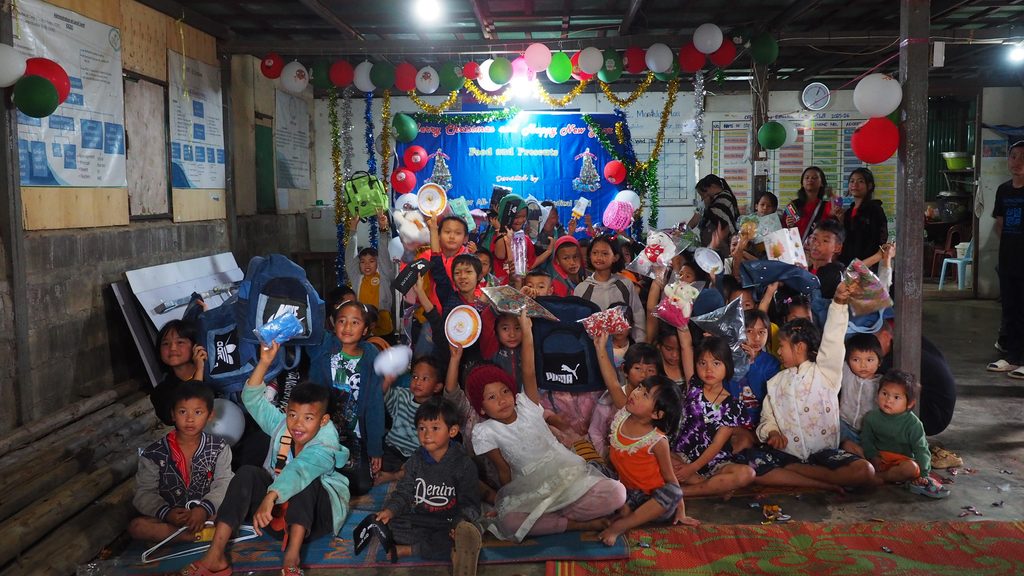
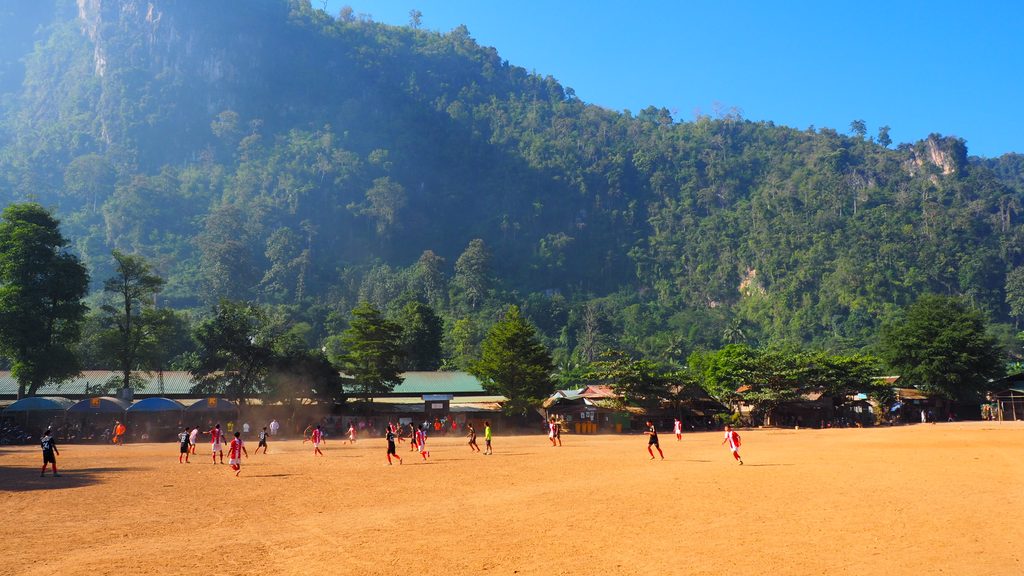
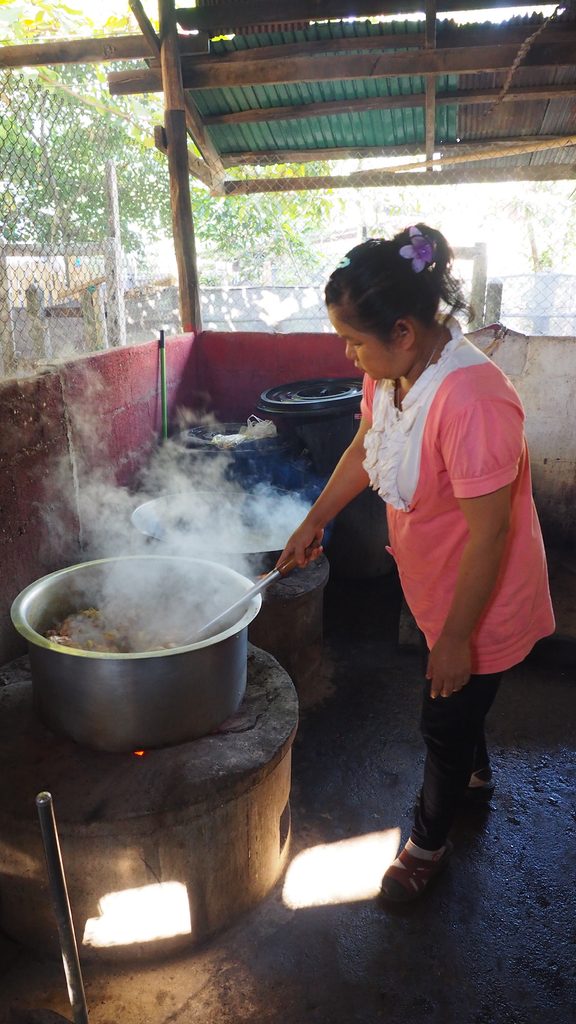
Migration has always been central to Australia’s national story, and just as central to its politics. In a time of rising living costs, tight job markets and nativist resurgence, newcomers are too easily reduced to numbers. Immigration is often framed as a burden on housing, wages and services, yet a farm where newcomers help grow food and employment for others tells another story. Public history can answer with people. Refugee stories are too often told about people rather than by them.
My project will record oral histories with the people of Green Connect, shaping them into documentary-style video. Our history is only richer with these stories in it.